

Creative & Expressive
Interventions
At Shining Gems Child Therapy, creative and trauma informed approaches support children to express their feelings, make sense of their experiences and restore a sesnse of safety and confidence.
Play Therapy
What is Play Therapy?
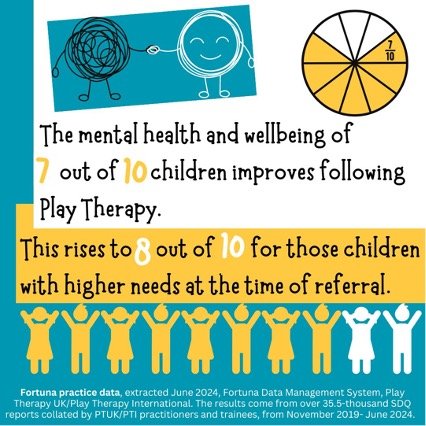
Play Therapy is a type of child psychotherapy that utilises a specific toolkit of play and art materials. This toolkit includes things like clay, sand, paint, sensory toys, arts and crafts, puppets, small world miniatures, and musical instruments. The toolkit helps young people to express, understand and process their world experiences whilst building coping skills and resilience.
How It's Different
Unlike CBT and counselling therapies, play therapy utilises a child’s natural form of communication, which is play.
The therapist provides a safe, predictable and non-judgemental therapeutic space and relationship, and facilitates reflectiveness, empathy and a deeper understanding for the child.
How It Helps
Play Therapy is not just for young children; it can be adapted for all ages and helps young people to access different parts of self. It can also be helpful in targeting a young person’s developmental age and not just their chronological age.
Play therapy can support a multitude of difficulties such as processing a traumatic event that has had a lasting impact on mental health and well-being, reducing anxiety or anger, helping to develop confidence and self-esteem, working on selective mutism, supporting identity and sense of self etc.
The playroom is used as a safe space to explore their thoughts, feelings and experiences at a distance from their reality, and when comfortable to do so, bring their newfound strategies and understanding into their world.
In my experience Play Therapy can be particularly helpful for neurodivergent children and/or those with developmental trauma. This is due to the nature of the therapy work, as it provides longevity, allowing time to build a safe and trusting relationship, and it does not rely heavily on the need for talking, eye contact, or an explanation from the child/young person as to what they are communicating.
Overall it just feels safer for a lot of young people.
Children’s Accelerated Trauma Technique (CATT)
Supporting Trauma Recovery
CATT is a form of trauma processing therapy specifically targeted at children and young people with PTSD, using their preferred forms of communication: play and art.
Who's It For
CATT can be used to support children who have a diagnosis of, or who have symptoms of PTSD, whereby they have experienced an event which has threatened their sense of physical or psychological safety and continues to adversely affect their everyday life (PTSD can be measured using the CRIES 8 assessment tool during initial assessment).
How It Works
CATT is based on the “golden standard” of trauma treatment and includes safety/stabilization, trauma processing/remembrance, and integration/reconnection. A specific step by step process is followed using a creative trauma processing approach in order to reduce or eradicate the symptoms of PTSD.
Why It Helps
CATT cannot erase the memory of any traumatic events but it can help the memory of the event to be stored correctly, so that it does not keep hijacking the mind and body, which can have such a devastating ongoing impact on everyday life.
Traumatic memories are stored in the body as sensory information and in the part of the brain linked to the sensory system. When these traumatic memories are triggered they can feel and seem very real and can be extremely distressing. Re-processing helps them to be stored in the long-term memory centre that is more within our control.
If you would like to learn more about how therapy works with us, you can explore our What to Expect guide, which walks you through the process step-by-step. You can also visit our Resources Page, where you’ll find supportive tools, articles, and helpful links.
You can also explore the other interventions available here:
Trauma Informed Stabilisations Treatment
(TIST) for Children
Dyadic Developmental Psychotherapy (DDP®)
Or Contact Us for more information.